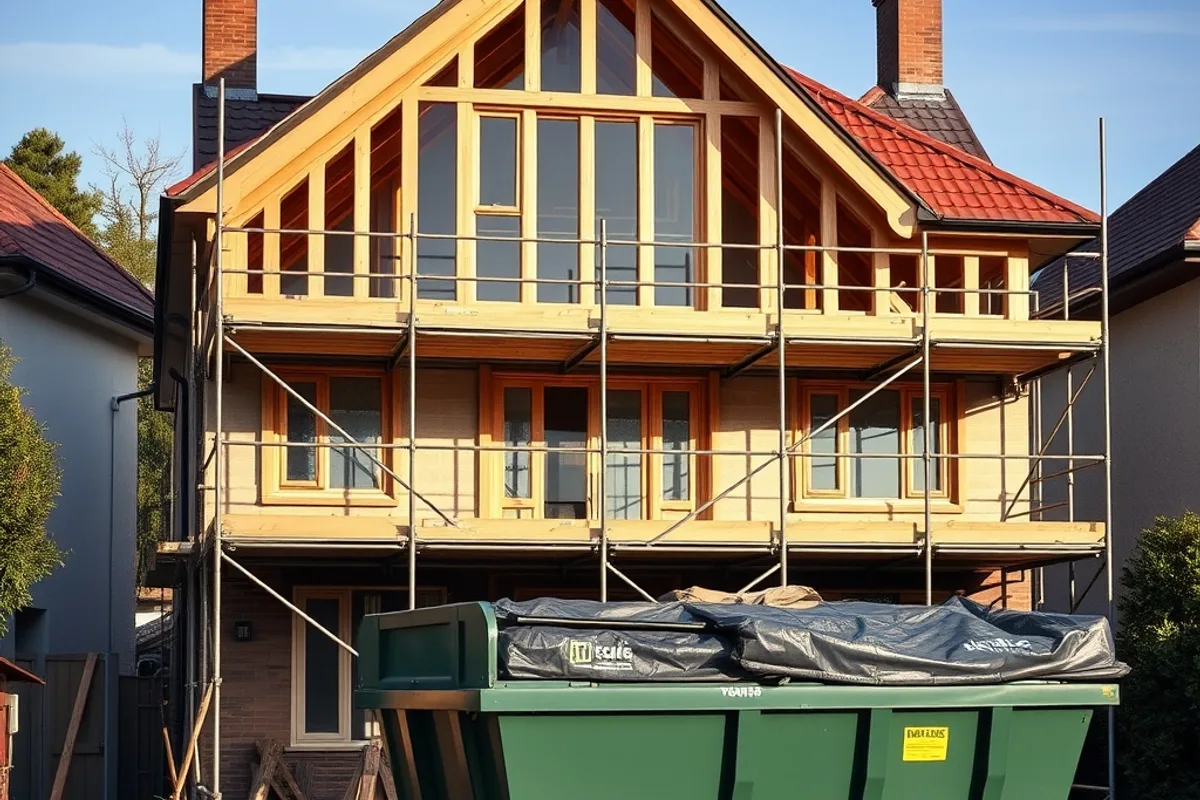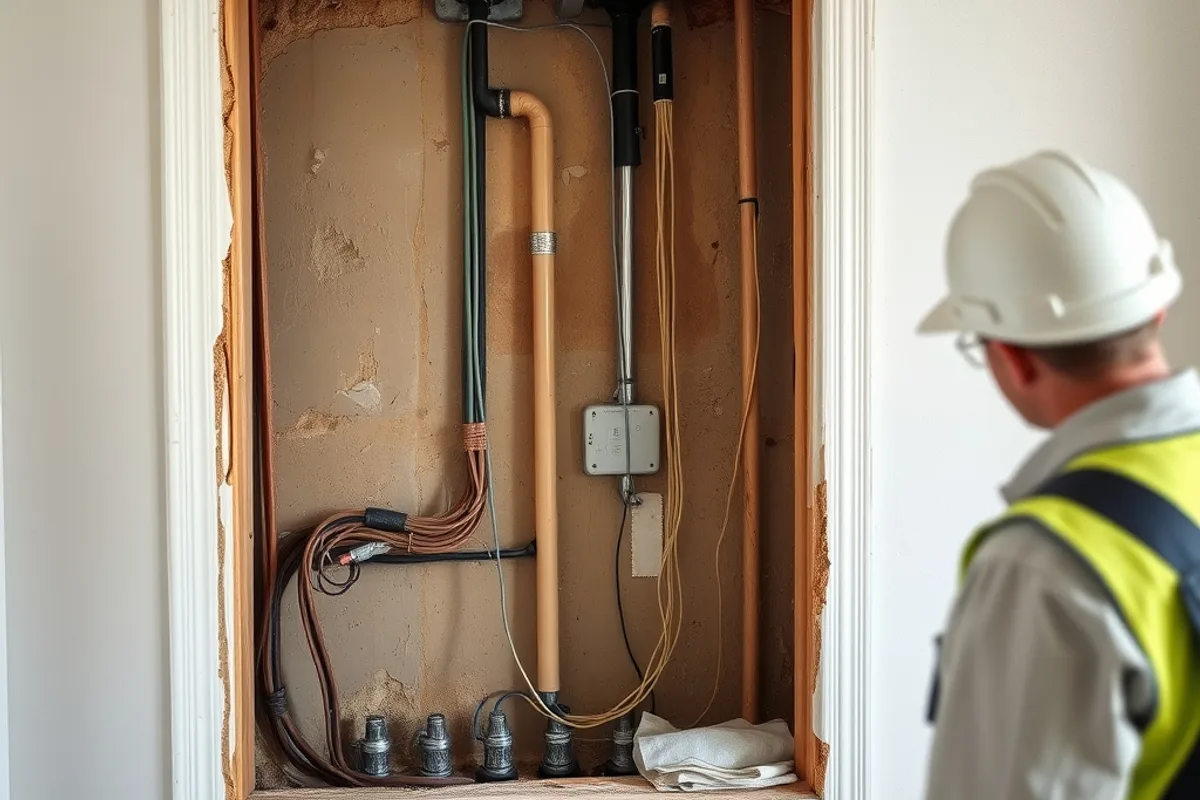
Living through a renovation saves rent and keeps you close to the work, but it is not free. The cost is paid in dust, noise, disrupted routines and the strain of sharing a home with a construction site.
This guide covers the practical arrangements that make it bearable, the conversations to have before work starts, and the point at which moving out is the cheaper option.
Key facts
- Set up a temporary kitchen before demolition, not after.
- Seal doorways with plastic and tape to control dust.
- Agree working hours and site access in writing.
- Moving out is cheaper than a stalled project caused by stress.
Contents
- Decide whether you can stay
- Set up a temporary kitchen
- Control dust at the source
- Protect your routines
- Talk to your builder weekly
- Know when to move out
Decide whether you can stay
Staying works when at least one bathroom and a basic kitchen remain usable. It does not work when the roof is off, the power is isolated for days or the only bathroom is being rebuilt. Be honest about the phase-by-phase reality.
Add up the true cost of staying: eating out, laundry, temporary appliances, cleaning and lost working time. Compare that with short-term rent. Often a two-month rental costs less than the chaos of staying through the worst phase.
Set up a temporary kitchen
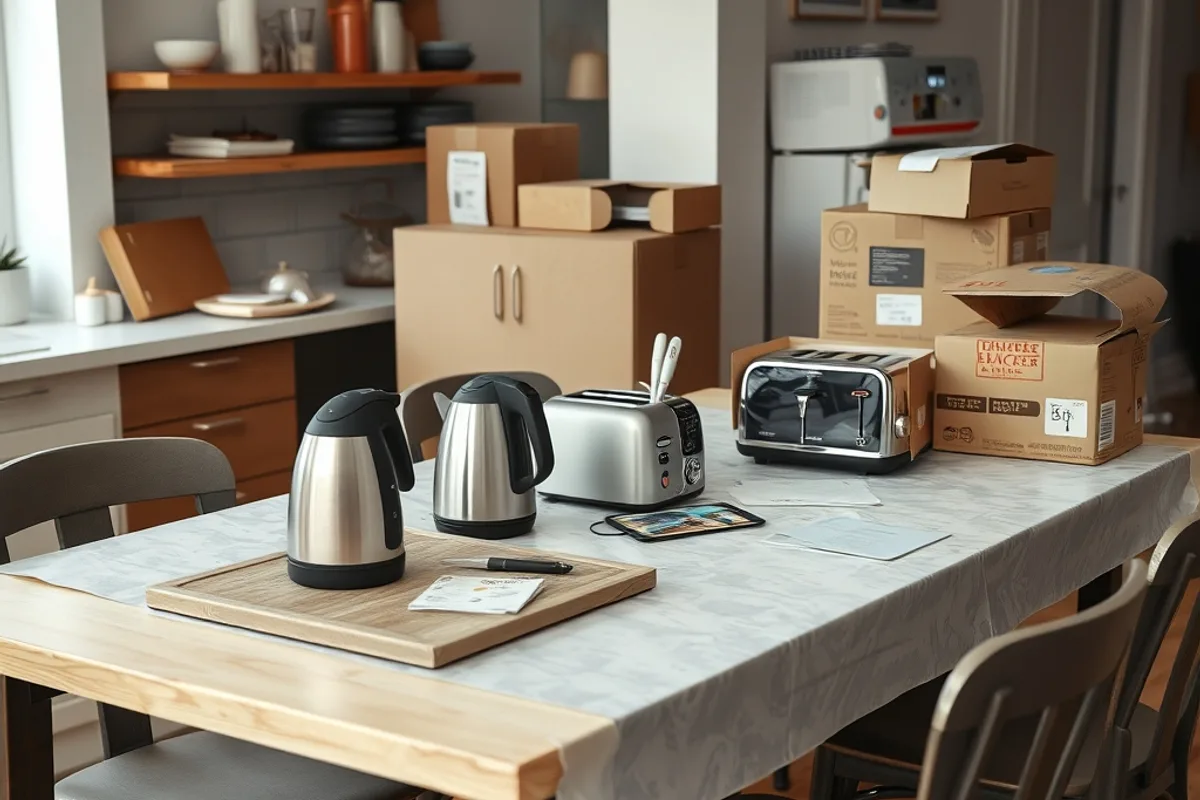
Before demolition, move the fridge, microwave, kettle and toaster to a room away from the dust. Keep a box with plates, cups, cutlery and a few cooking utensils. Label it so it does not disappear into the site.
Plan simple meals that need one appliance. Washing up in a bathroom sink is possible for a week, not for two months. A plastic tub and a drying rack make a workable temporary sink.
Control dust at the source
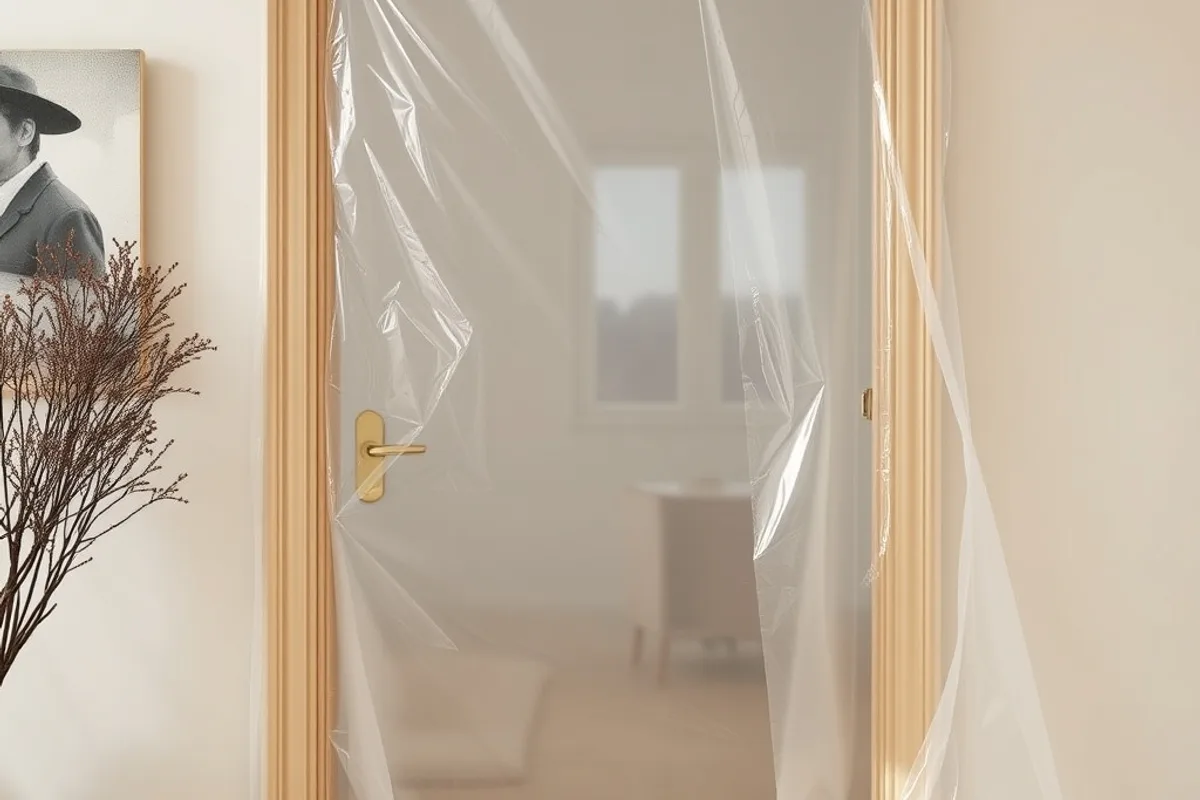
Dust travels further than you expect. Seal doorways with plastic sheeting and tape, cover vents, and ask the builder to use extraction on saws and sanders. Keep internal doors closed and open windows when trades are not creating dust.
Clean little and often rather than waiting for a big clean. A damp microfibre cloth and a vacuum with a proper filter are more effective than sweeping, which just moves the dust back into the air.
Protect your routines
Noise starts early and decisions arrive without warning. Keep one room untouched as a retreat, even if it is small. A place to sit, sleep and close the door makes the rest of the house easier to tolerate.
Keep work, school and sleep schedules as normal as possible. Warn neighbours about noisy days, and put a note on the door for deliveries. Small routines are what stop a renovation from feeling like an emergency.
You are not just renovating a house. You are running a household inside a building site.
Talk to your builder weekly
A short weekly conversation prevents most surprises. Ask what is happening next week, what decisions you need to make, and whether anything is delayed. Put the answers in a message so both sides have a record.
Raise problems early and specifically. A vague complaint about mess is less useful than asking for the site to be swept at the end of each day. Builders respond better to clear requests than to accumulating frustration.

Know when to move out
Move out if the bathroom or kitchen will be unusable for more than a few weeks, if there are young children or vulnerable household members, or if the project is already behind schedule. Stress is a real cost and it slows decisions.
If you stay, plan for a final deep clean and a few nights of disruption at handover. Our renovation timeline shows which phases are hardest to live through, so you can plan a short stay elsewhere.