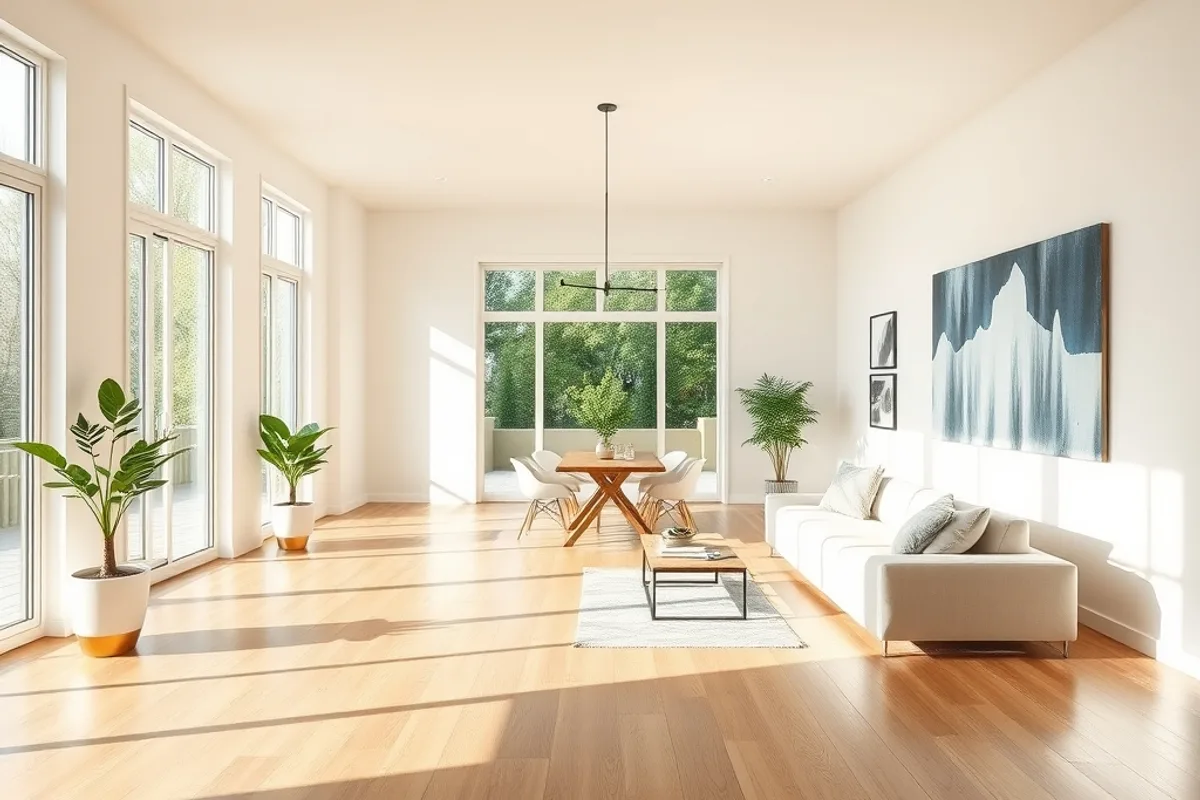
Not every improvement adds value, and almost none adds more than it costs. The useful question is narrower: which projects return the largest share of their price when you sell, and which simply make the house easier to live in?
This guide separates the two. It covers the upgrades with the strongest resale record, the ones that are worth doing for comfort alone, and the points where a sensible project turns into an expensive hobby.
Key facts
- Cosmetic upgrades usually return the highest share of their cost.
- Kitchen and bathroom rebuilds cost the most and vary widely by area.
- Insulation and draught proofing pay back through lower bills.
- Exterior paint is the cheapest reliable boost to street appeal.
Contents
- What payback really means
- 1. A kitchen refresh, not a rebuild
- 2. Bathroom updates that last
- 3. Insulation and draught proofing
- 4. Exterior paint and street appeal
- Where to stop spending
What payback really means
Payback is the share of a project cost you are likely to recover when the property sells. It is not a promise. Local demand, the condition of neighbouring homes and the quality of the work all move the number.
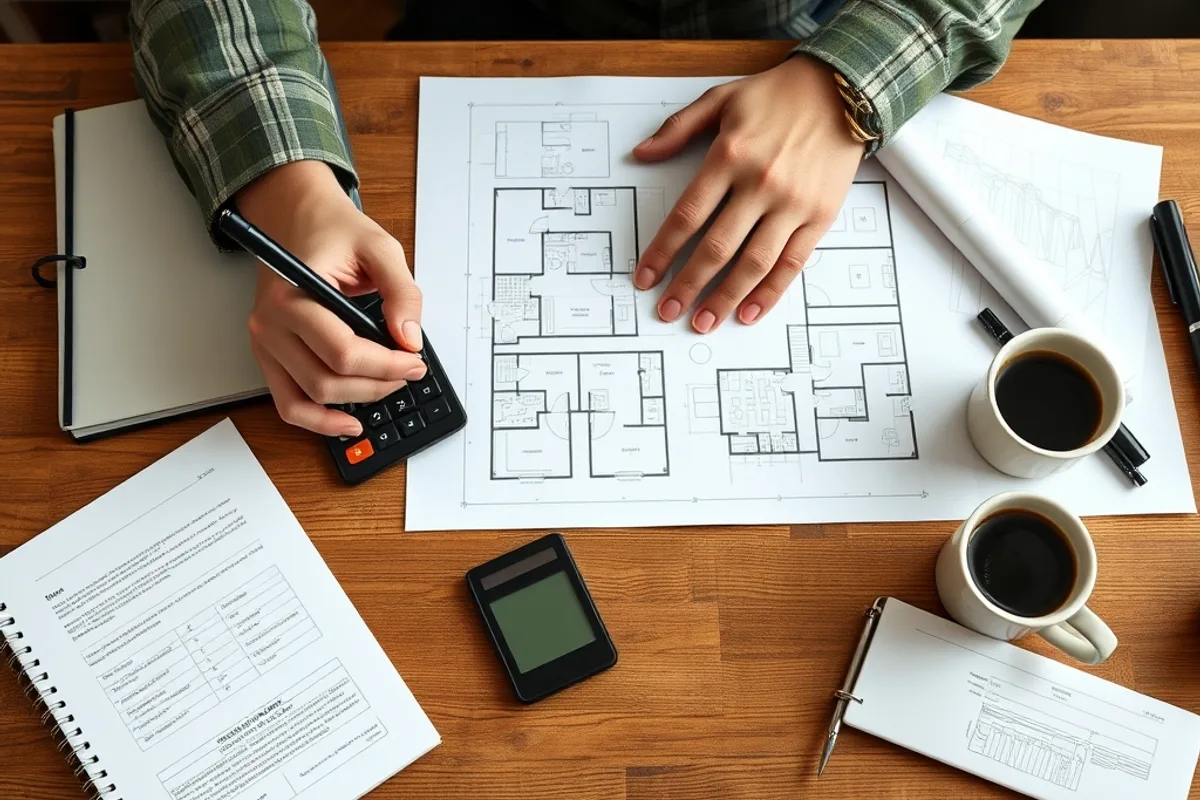
Treat published payback figures as a ranking rather than a forecast. They are most useful for comparing one project against another, not for predicting exactly what your house will be worth. Use our budget planning guide to test whether a project is affordable before you rely on resale.
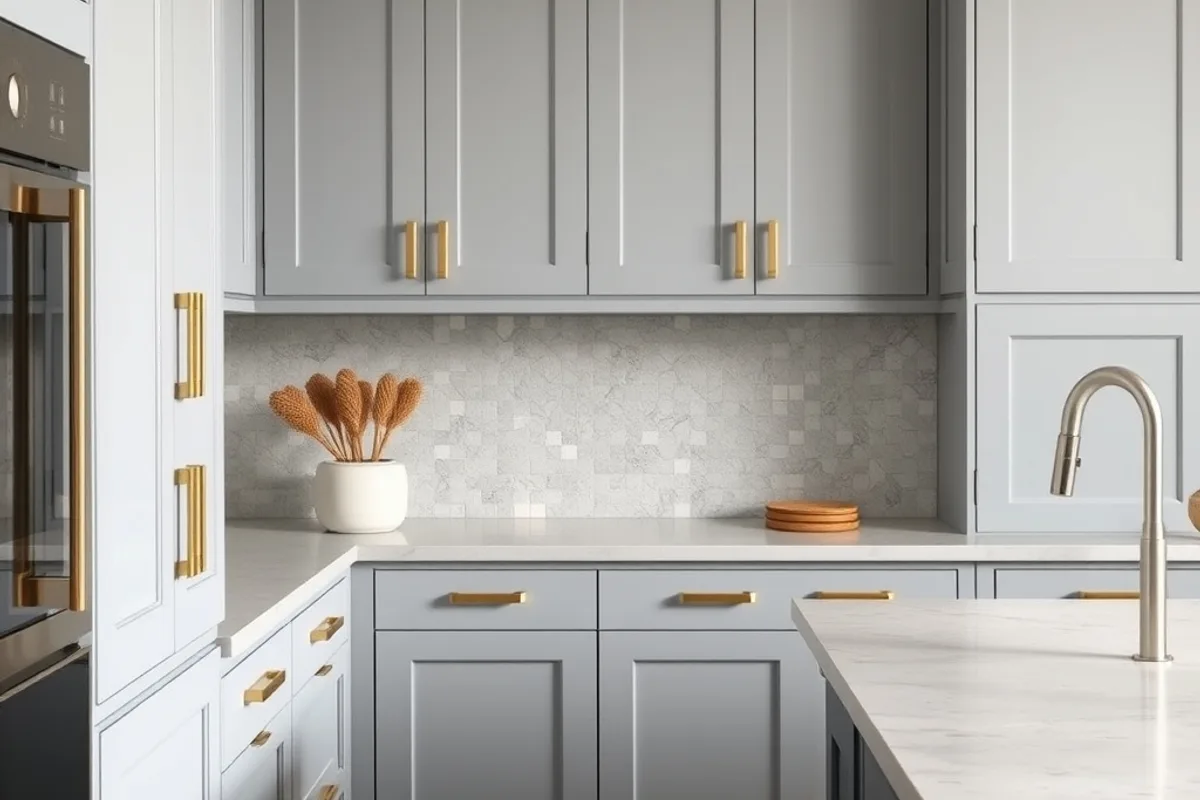
1. A kitchen refresh, not a rebuild
If the cabinet boxes are sound and the layout works, new doors, handles, a worktop and a coat of paint can transform the room for a fraction of a rebuild. Keep the sink and cooker where they are to avoid plumbing and wiring costs.
Spend on the parts you touch every day: drawer runners, hinges and a durable worktop. A mid-priced refresh usually recovers more of its cost than a high-end kitchen, because buyers rarely pay a premium for appliances they did not choose.
2. Bathroom updates that last
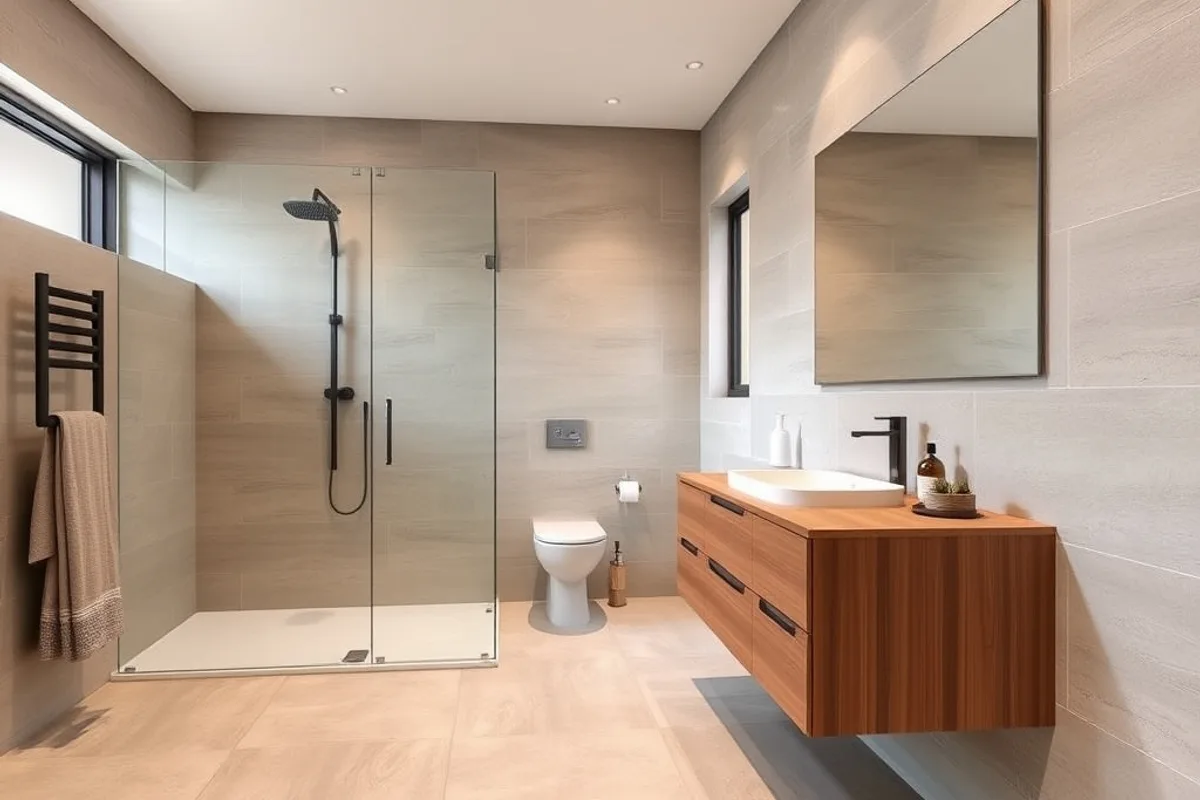
A tired bathroom puts buyers off faster than almost anything else. Re-grouting, replacing a dated vanity, upgrading taps and improving ventilation are modest jobs with a visible result.
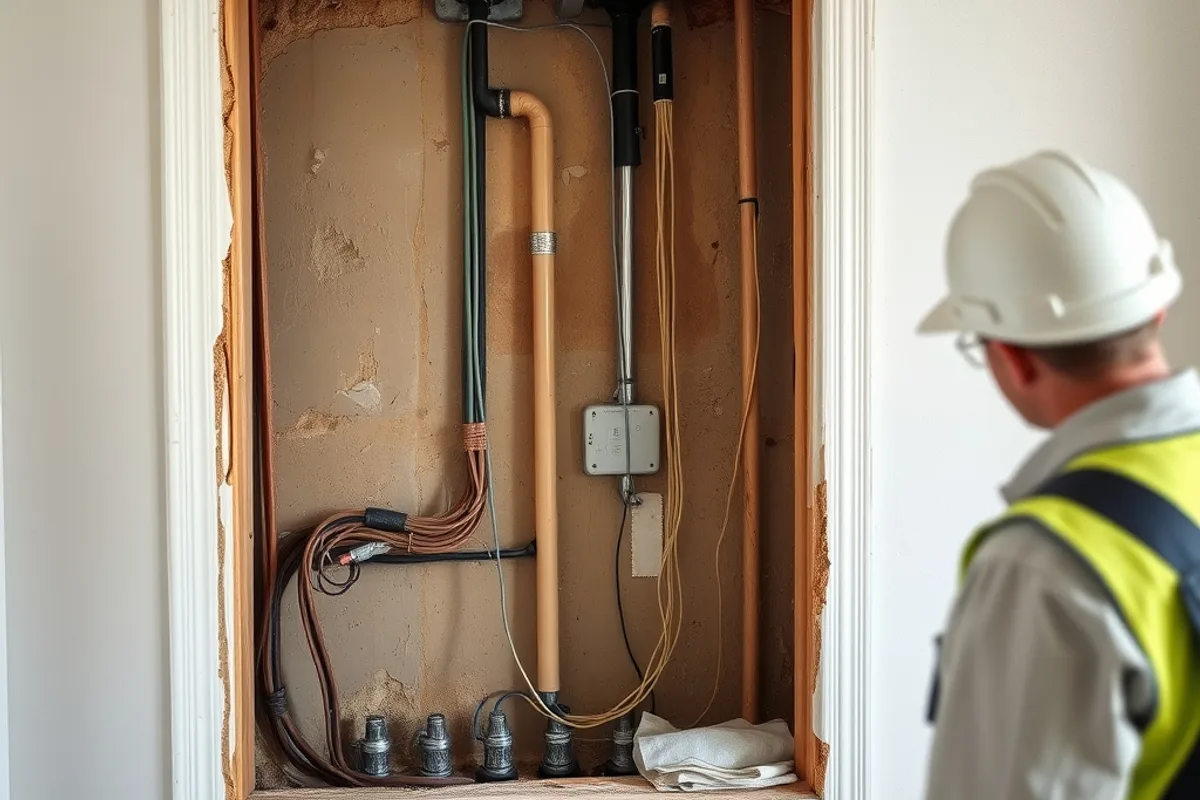
Avoid moving the toilet or shower unless the layout is genuinely broken. Moving waste pipes is disruptive and expensive, and the money is better spent on waterproofing done properly. Confirm local waterproofing standards with a licensed installer.
3. Insulation and draught proofing
Comfort upgrades do not always show up in a valuation, but they show up in every bill. Ceiling insulation, draught seals around doors and windows, and proper extraction reduce heat loss and moisture.
This work is unglamorous and rarely photographed for listings, yet it makes the house easier to sell because buyers notice a cold, damp feeling within minutes. Start with the cheapest fixes and work upward. See Energy Saver for the order that makes sense.
The best improvement is the one that solves a real problem in the house you actually live in.
4. Exterior paint and street appeal
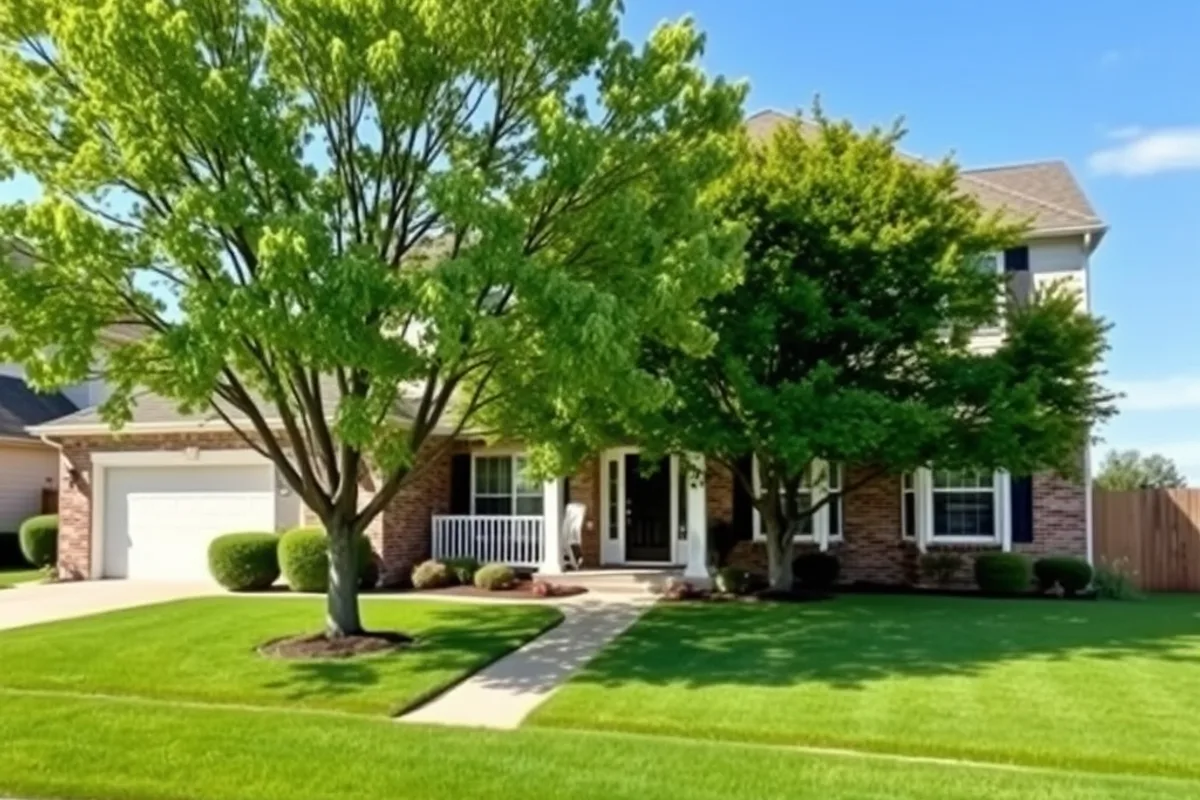
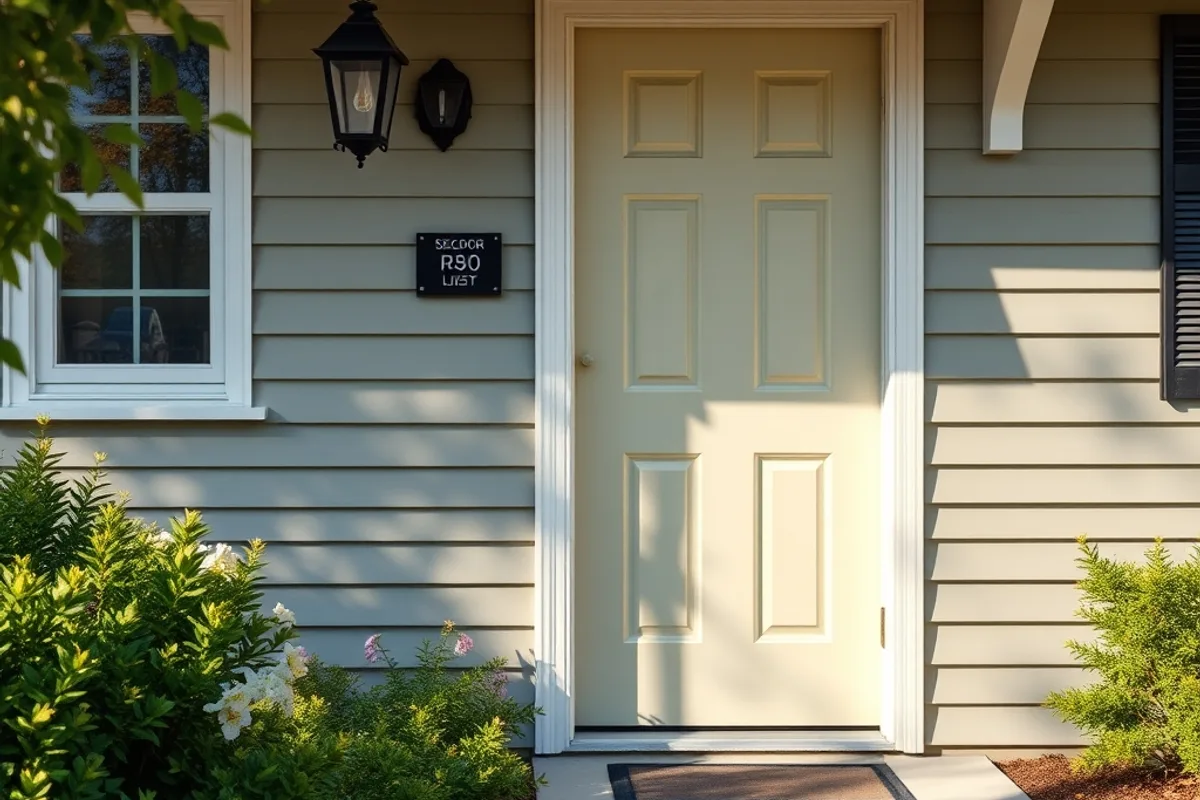
Few projects return as much per dollar as a clean, well-painted exterior. Repairing gutters, washing the facade, painting the front door and tidying the path change the first impression before a buyer reaches the hallway.
Choose colours that suit the house rather than the trend of the moment. A neutral scheme with one darker accent on the door is safer than a bold palette that narrows the pool of buyers.

Where to stop spending
Pools, elaborate landscaping and highly personalised rooms rarely return their cost. They are worth doing if you will enjoy them for years, but they are not value projects. Be honest about which category you are in.
Set a ceiling before you start and write down what you will not do. Renovation scope grows one small decision at a time, and the extra spend usually lands in finishes that the next owner will replace anyway.