Renovation quotes are usually accurate about the work the builder can see. The budget blows up on the work nobody could see until the walls came down. That is not dishonesty; it is the nature of renovating an existing building.
This guide lists the costs that most often sit outside the headline number, explains why they appear, and shows how to fund them without stopping the project halfway through.
Key facts
- Opening a wall is the most common source of extra cost.
- Waste removal and site protection are frequently excluded.
- Making good after trades is rarely priced as a line item.
- Approvals, inspections and certificates carry their own fees.
Contents
- Why surprises are normal
- What is behind the walls
- Waste removal and site protection
- Making good after trades
- Approvals, inspections and certificates
- How to plan for the unknown
Why surprises are normal
Houses are built in layers, and each layer hides the one beneath. A quote is based on what is visible and on assumptions about what is behind it. When those assumptions are wrong, the quote changes.
The answer is not a more detailed guess. It is a contingency and a process for pricing changes before work continues. Our budget planning guide explains how to set and protect that reserve.
What is behind the walls
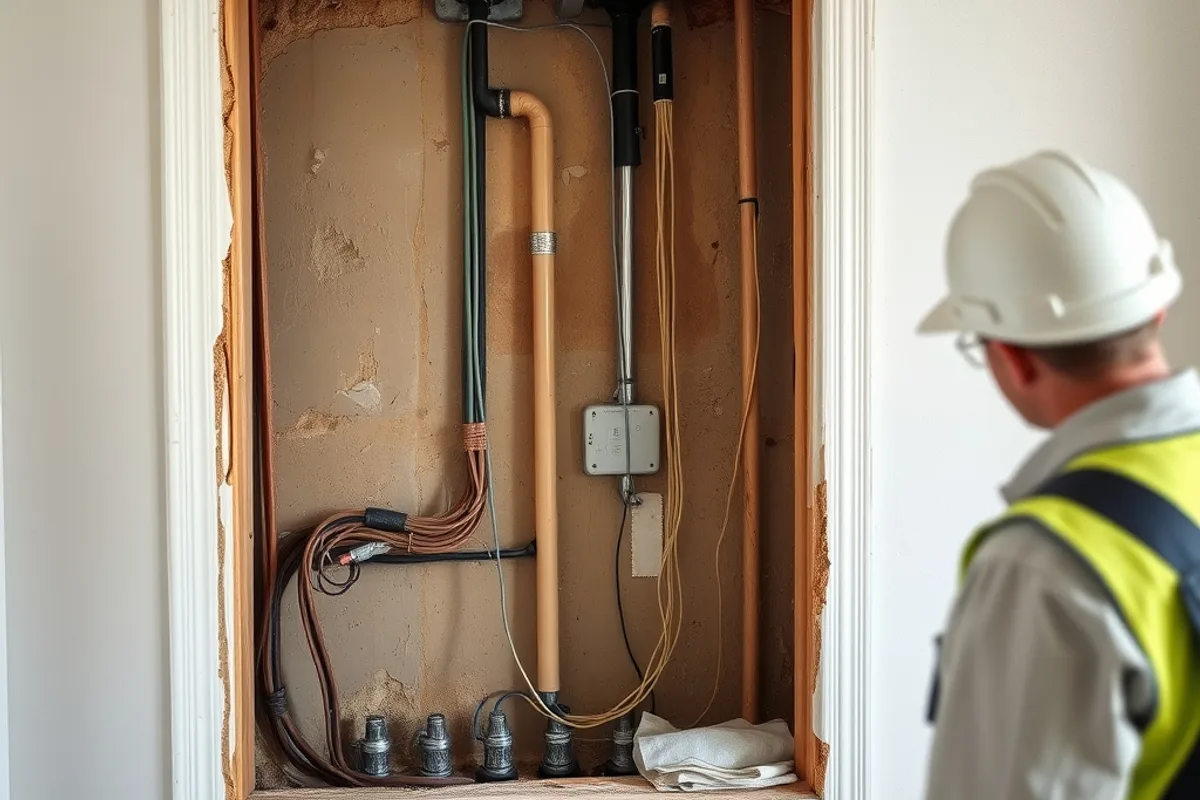
Rot, termite damage, old wiring, galvanised pipes, asbestos and failed waterproofing are the classic finds. Remediation is not optional: you cannot tile over a leaking shower or plaster over live wiring.
Ask for a provisional sum for unknown conditions and agree the hourly rate and markup that will apply if extra work is needed. That way the conversation is about the work, not about a price invented under pressure.
Waste removal and site protection
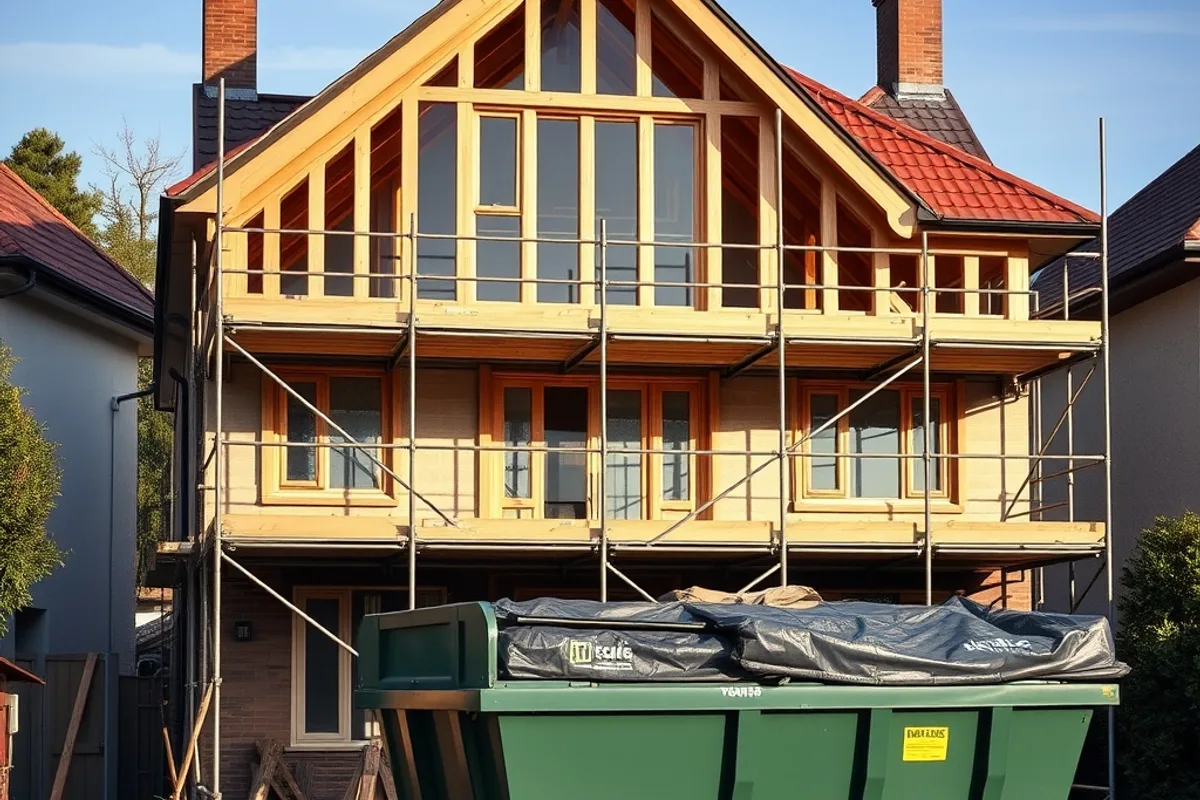
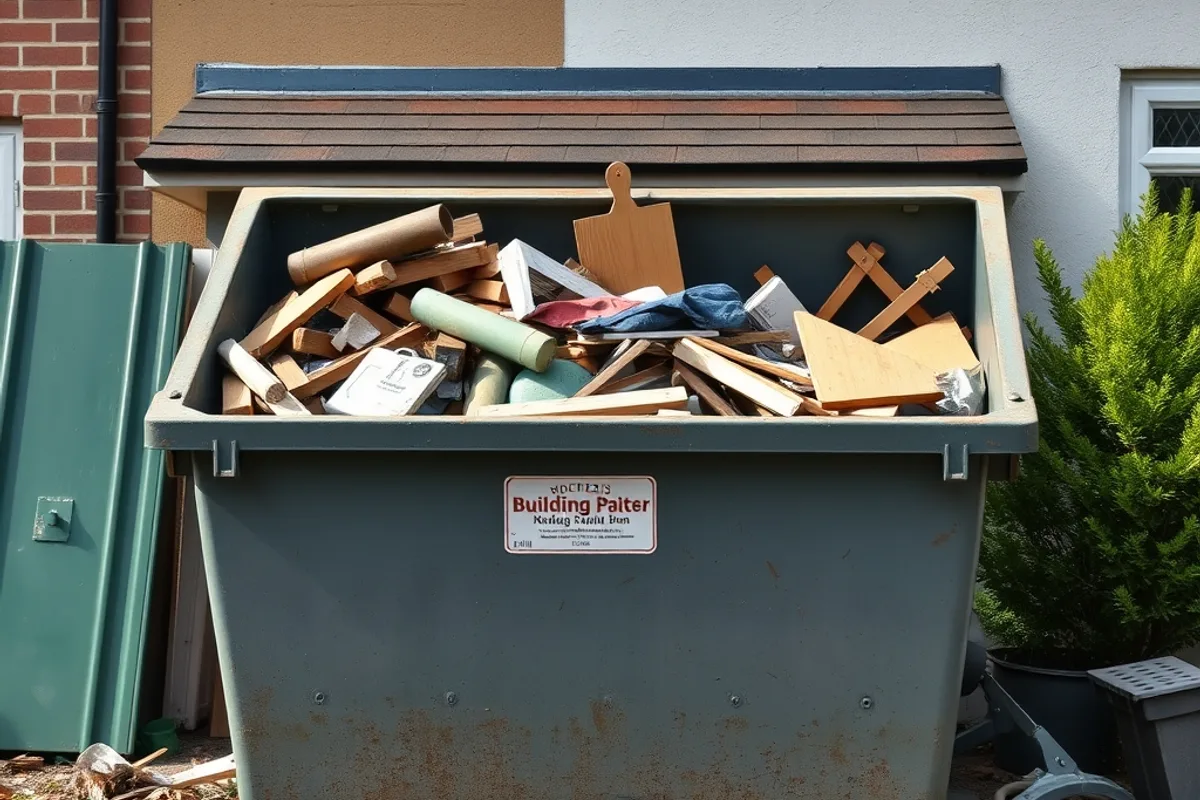
Demolition waste has to go somewhere, and skip hire, tip fees and extra labour are commonly excluded. So are floor protection, dust barriers and temporary toilets. These are small line items that add up over a long project.
Confirm in writing who pays for the skip, how often it is emptied, and whether hazardous material disposal is included. If you are living on site, add the cost of protecting your furniture and cleaning the house more often.

Making good after trades
After electricians, plumbers and tilers finish, someone has to patch plaster, replace skirting, touch up paint and seal gaps. This work is often left to the homeowner or charged as an extra at the end.
Ask explicitly whether making good is included and to what standard. A quote that stops at installation leaves you to find a plasterer and a painter at short notice, usually at a premium.
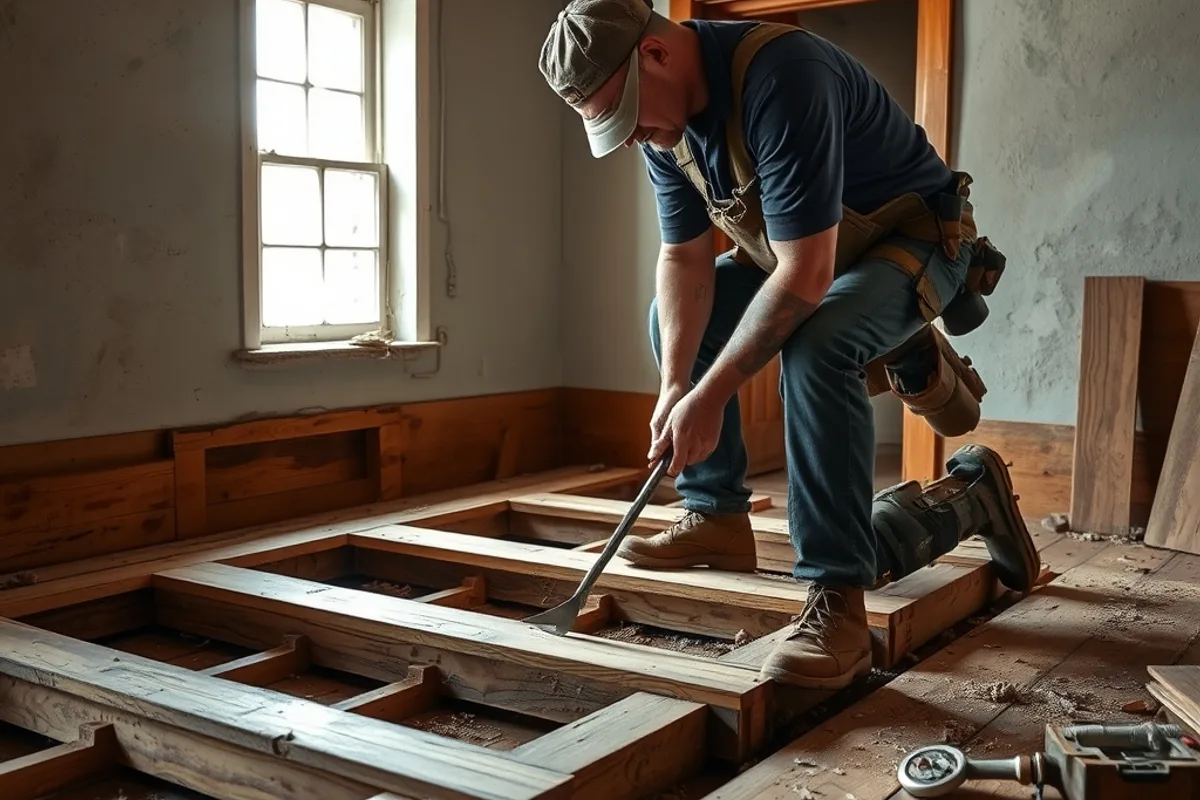
Everything behind the plaster is a surprise until it is not.
Approvals, inspections and certificates
Building permits, engineering reports, surveyor certificates and inspection fees are separate from construction. So are energy reports and any fees charged by the body corporate or local authority.
Budget for these before work begins and keep the certificates in your project folder. They matter at resale, and missing approvals can hold up a sale years later. Confirm requirements with your local authority rather than relying on the builder.
How to plan for the unknown
Set a contingency of 15 to 20 percent for older homes and 10 percent for newer ones. Put it in a separate account. If it is not used, it is not wasted: it is the reason the project finished.
Agree a change process before work starts: written description, price, approval, then work. No verbal extras. A disciplined process is the cheapest insurance you can buy on a renovation.