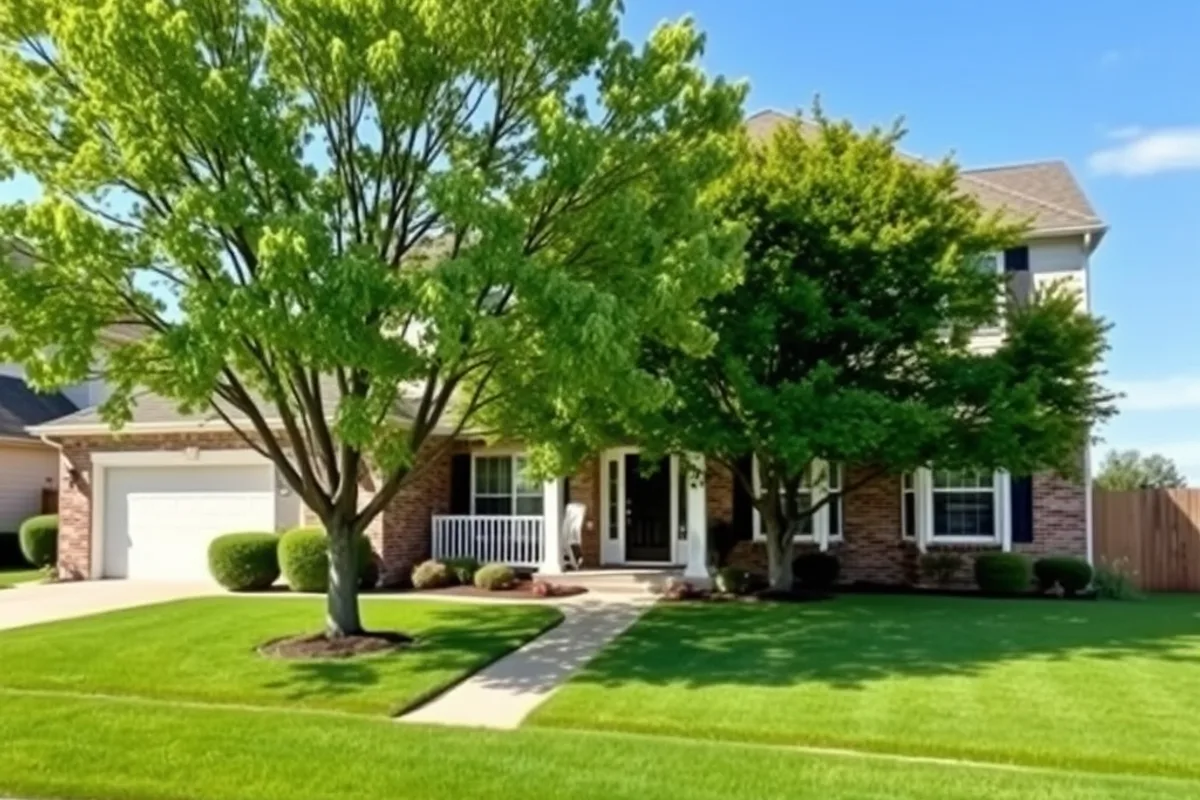
A property listing is marketing, not a specification. It is written to attract inspections, and every line has been chosen with that goal in mind. That does not make it dishonest, but it does mean you should read it the way you read an advertisement.
This guide shows where the useful information sits, which phrases deserve a second look, and how to build a shortlist without wasting weekends on homes that were never right for you.
Key facts
- Guide prices are often set below expectations to attract interest.
- Floor plans reveal more than staged photographs.
- Missing rooms in a photo set usually signal a problem.
- Ask for rates, levies and outgoings before you inspect.
Contents
- What the headline price hides
- Decode the description language
- Photos: what is missing
- Floor plans and measurements
- Rates, levies and outgoings
- Questions to ask before inspecting
What the headline price hides
A guide price, asking price or offers-over figure is a marketing decision. It may sit below the seller expectation to create competition, or above it to leave room for negotiation. Compare it with recent sold prices for similar homes, not with asking prices.
Check how long the property has been listed and whether the price has changed. A long listing with a recent reduction tells a different story from a fresh one at the same number. Ask the agent directly and listen for hesitation.

Decode the description language
Phrases such as cosy, compact and low maintenance often mean small, awkward and little garden. Renovator opportunity usually means work is needed. Original condition can be charming or expensive, depending on what is original.
Read for what is absent as much as what is present. If a listing mentions proximity to shops, schools and transport but says nothing about the roof, wiring or heating, those are the questions to ask first.
Photos: what is missing
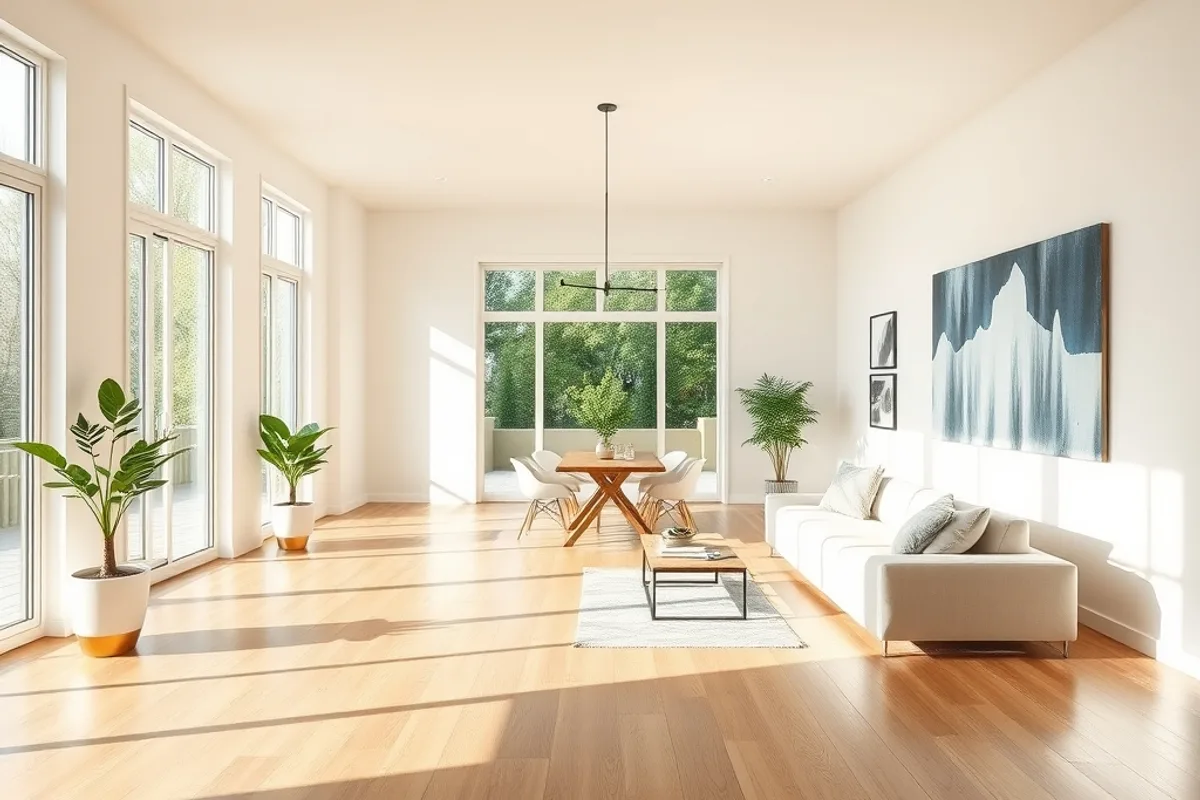
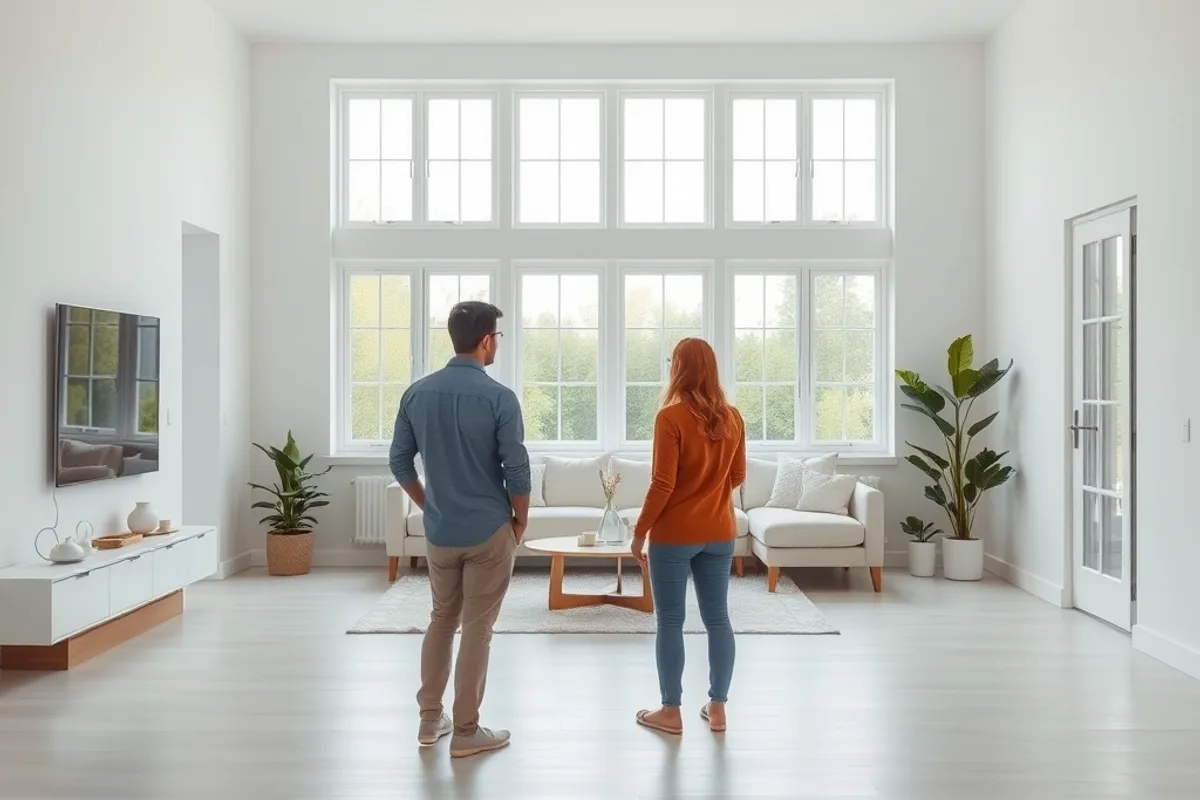
A listing that shows four photos of the facade and none of the kitchen is telling you something. Professional photography makes rooms look larger, brighter and more neutral than they are in person. Wide lenses stretch space; styling hides storage gaps.
Count the rooms photographed and compare that with the floor plan. If a bedroom, bathroom or garage is missing, assume it needs work or is not a legal habitable space. Confirm the number of bedrooms against the official record.
Floor plans and measurements
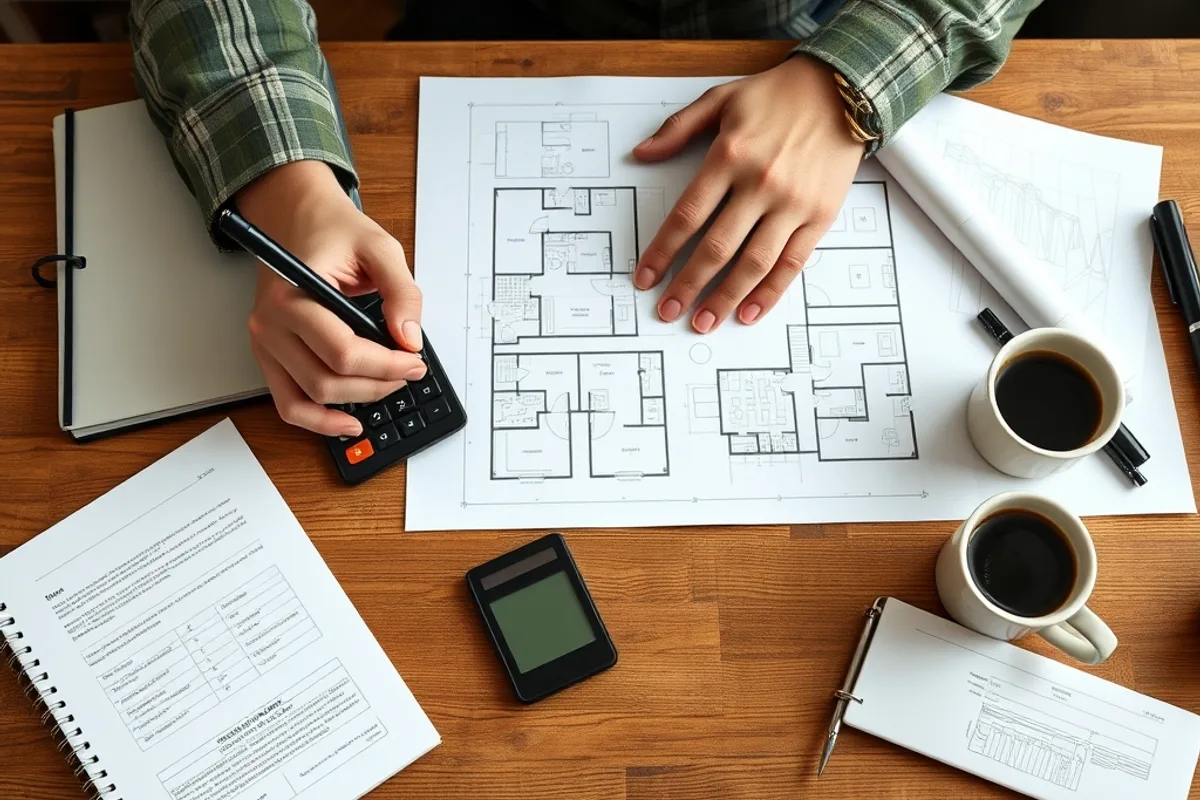
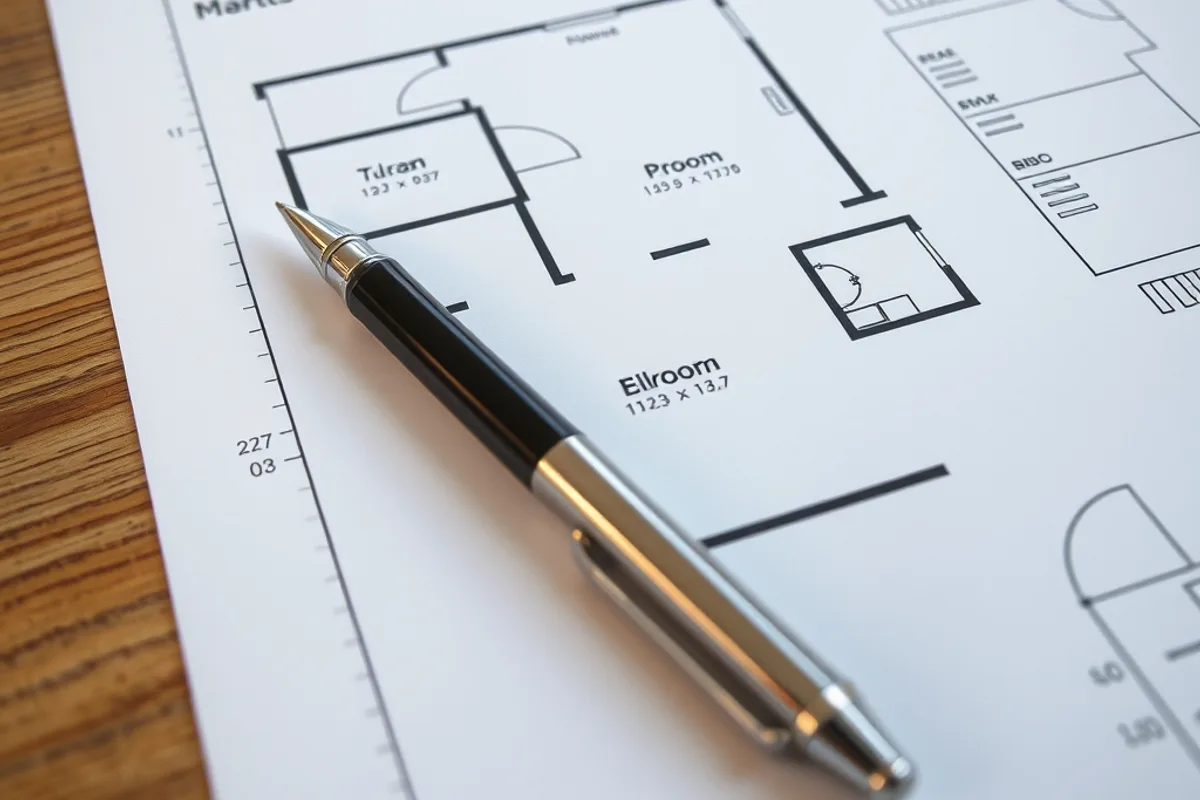
The floor plan is the least emotional part of the listing and often the most useful. Check door swings, window placement, storage and whether the furniture shown is plausibly scaled. Some plans are illustrative rather than measured.
Multiply room dimensions to see whether your furniture will fit. A room can photograph well and still leave no space for a dining table. If measurements are missing, ask for them and verify at the inspection.
If the listing does not show it, assume you will need to ask about it.
Rates, levies and outgoings
The purchase price is only one cost. Council rates, water charges, insurance, body corporate levies and any special levies all affect affordability. Ask for the last two years of notices rather than accepting an average.
For apartments and townhouses, read the minutes of the owners corporation meetings. They reveal planned repairs, disputes and special levies that a glossy listing will never mention. A low levy can mean underinvestment in maintenance.
Questions to ask before inspecting
Ask why the owners are selling, how long the property has been on the market, whether there are offers, and what is included in the sale. Ask about building approvals for any extension, pool or shed, and request copies.
Ask when the building was last inspected and whether there are known defects. A good agent answers plainly; an evasive answer is useful information too. Bring a written list and take notes at the inspection, because memory flatters every house.