Lighting is the cheapest way to change how a room feels, and the most commonly neglected. Most rooms are lit by a single fixture in the centre of the ceiling, which is efficient and almost never flattering.
Layering light solves this. This guide explains the three layers, how to choose colour temperature, and what to do in each room without calling an electrician for every change.
Key facts
- Ambient, task and accent light serve different purposes.
- Warm white (2700–3000K) suits living and sleeping areas.
- Dimming matters more than adding more fixtures.
- Lamp shades at eye level reduce glare when seated.
Contents
- The three layers of light
- Ambient light: start with the ceiling
- Task light where you work
- Accent light for depth
- Colour temperature and dimming
- A simple room-by-room plan
The three layers of light
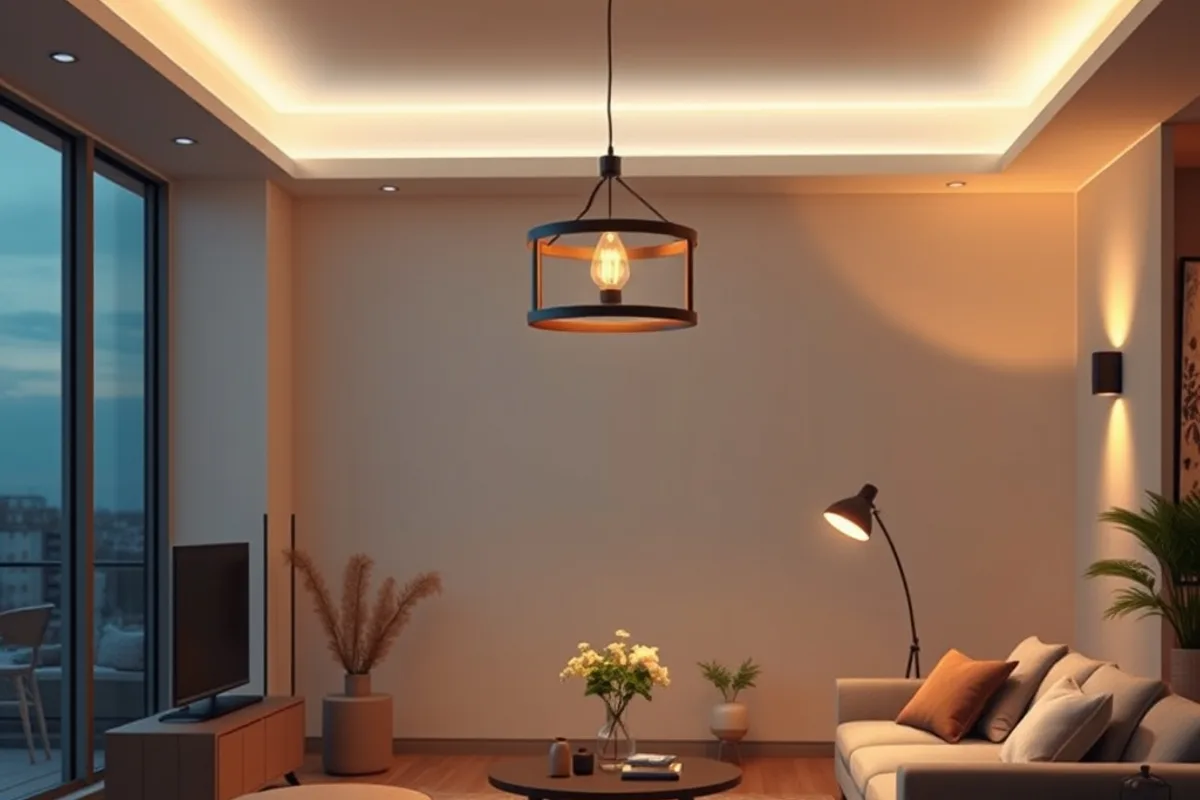
Ambient light fills the room and lets you move safely. Task light illuminates what you are doing: cooking, reading, shaving. Accent light adds depth by highlighting a wall, a plant or a piece of art.
Most rooms need all three, but the proportions change. A kitchen needs strong task light; a bedroom needs soft ambient and reading light; a living room needs enough layers to move from bright to intimate without switching off everything.
Ambient light: start with the ceiling
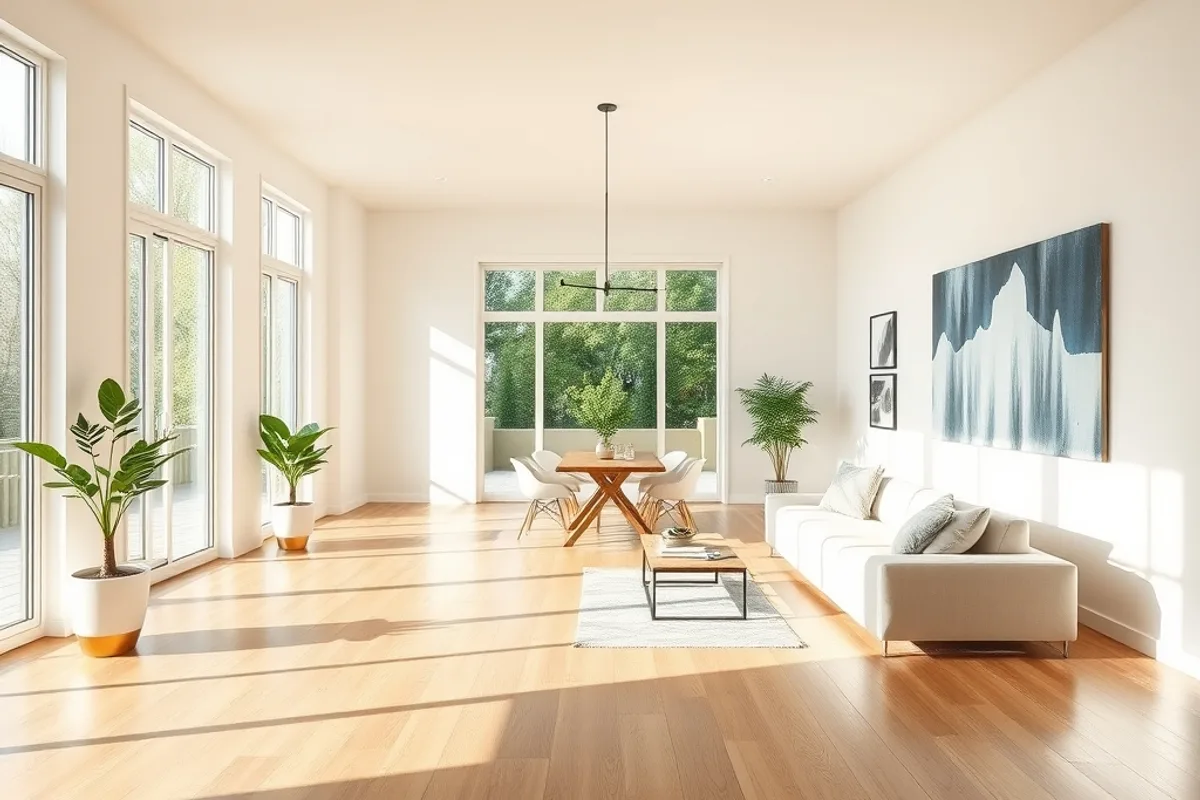
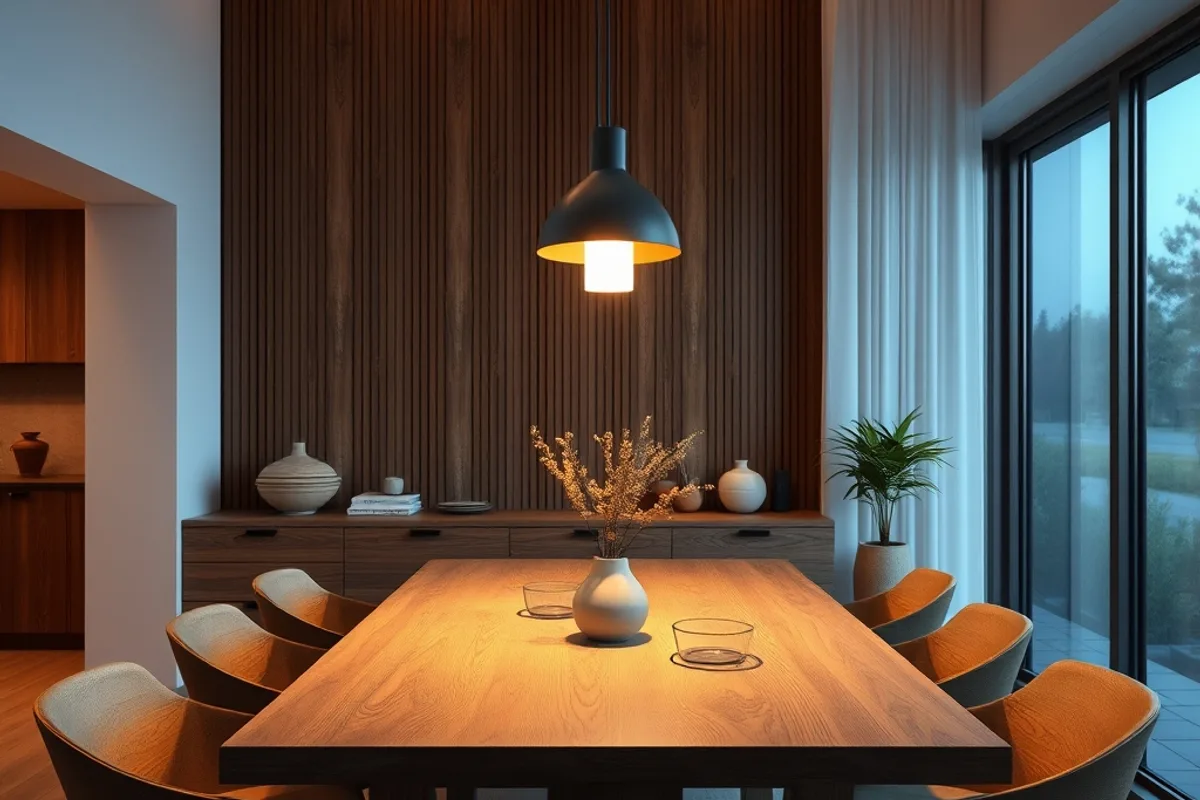
A central fixture is fine if it is diffused and dimmable. Avoid bare bulbs and harsh downlights aimed at seating. In a living room, a pendant with a fabric or glass shade softens the light and reduces glare.
In rooms with low ceilings, surface-mounted fixtures or recessed lights work better than a hanging pendant. Whatever you choose, put it on a dimmer. Dimming a single good fixture is more useful than adding several fixed ones.
Task light where you work
Task light should sit between your eyes and the work, not behind your head. A reading lamp goes beside the chair at shoulder height; kitchen task light goes under the cabinets, not only on the ceiling.
In a home office, light the desk from the side to reduce screen glare. In a bathroom, light the face from both sides of the mirror rather than directly above, which casts shadows under the eyes.
Accent light for depth
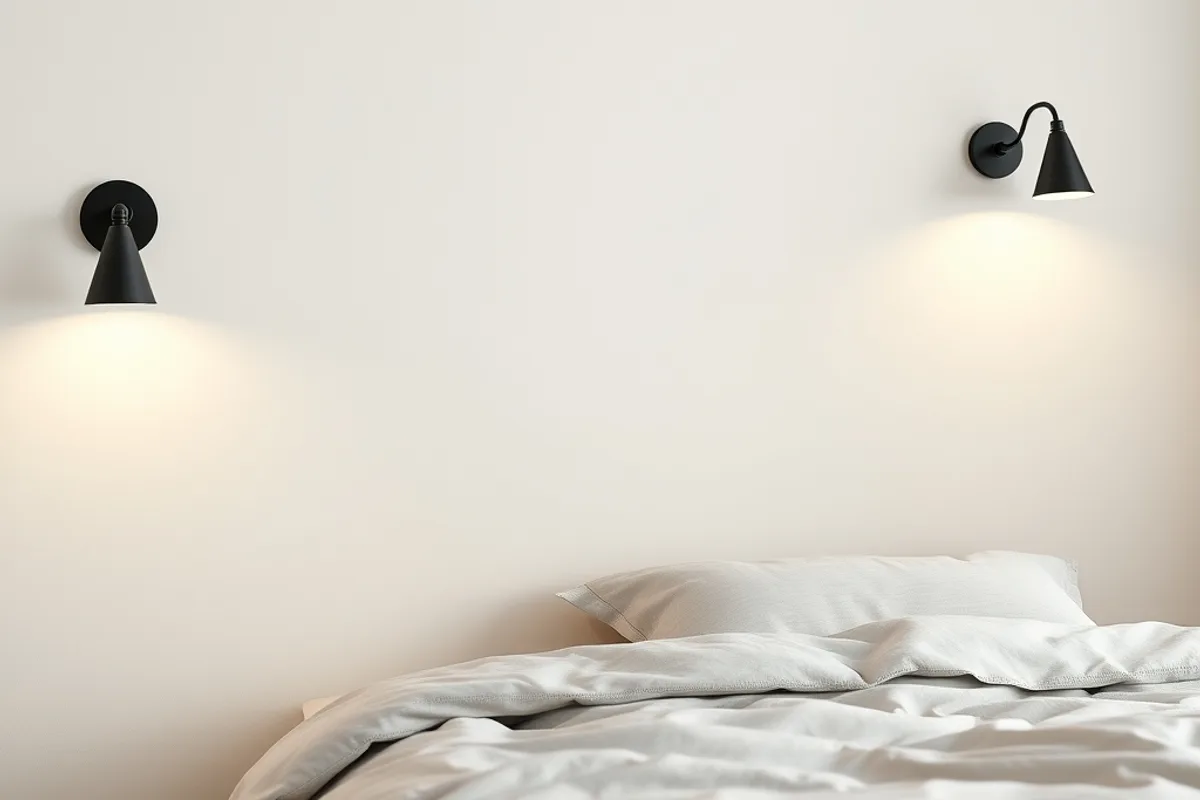
Accent light is what makes a room look designed rather than lit. A wall washer behind a plant, a small uplight in a corner or a picture light adds a pool of brightness that the eye reads as depth.
You do not need many. One or two accents in a living room are enough. Keep them on a separate switch so they can stay on when the main light is off in the evening.
Light is not decoration added at the end. It is part of how the room is built.
Colour temperature and dimming
Colour temperature is measured in kelvin. Warm white around 2700 to 3000K suits living rooms and bedrooms; cooler 4000K suits kitchens and utility areas. Mixing temperatures in one room makes even good fixtures look wrong.
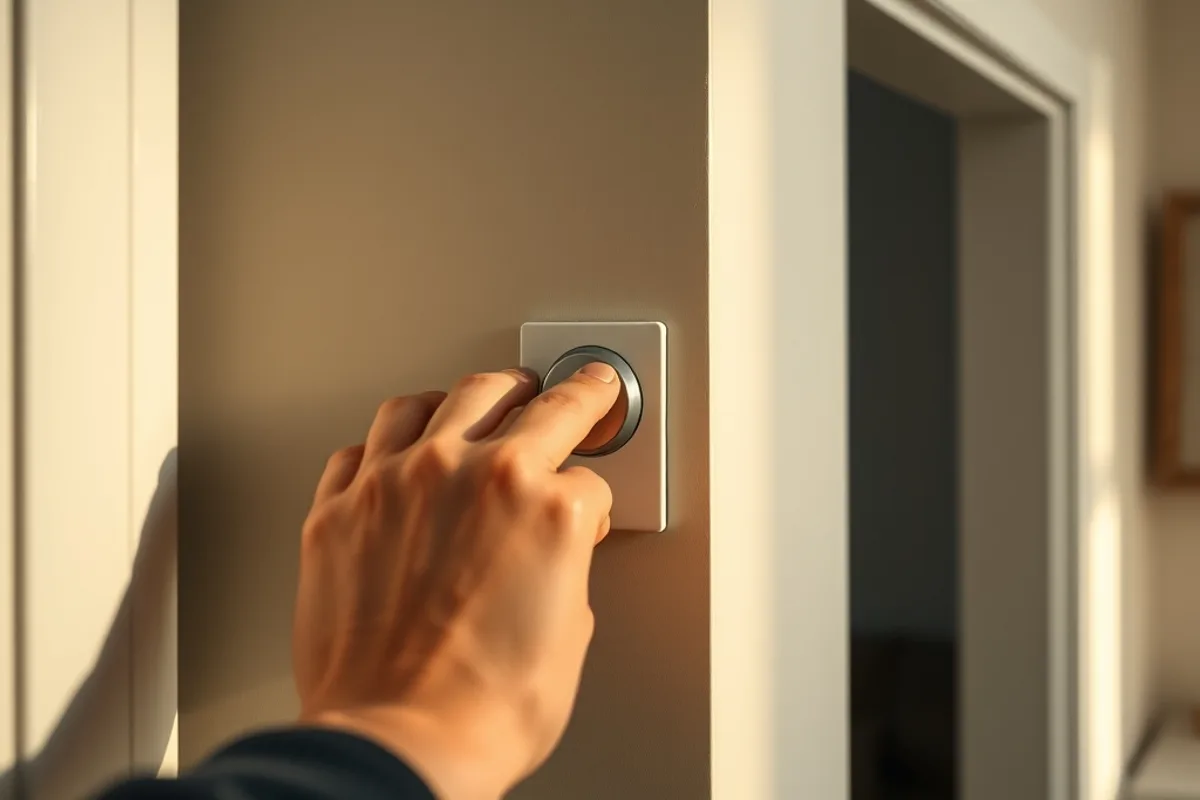
Match the colour temperature across lamps you use together, and choose dimmable bulbs. A dimmer that buzzes or flickers is usually paired with the wrong bulb. Check compatibility before buying. See Energy Saver for efficient options.
A simple room-by-room plan
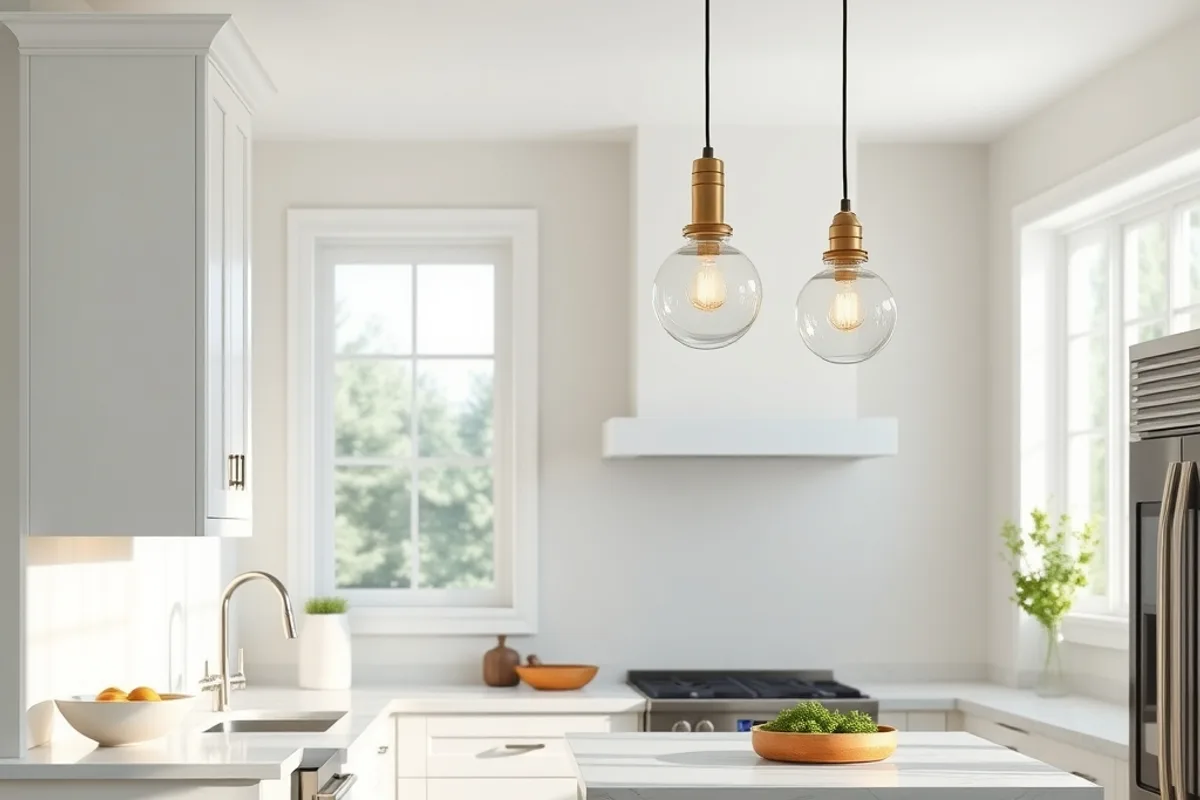
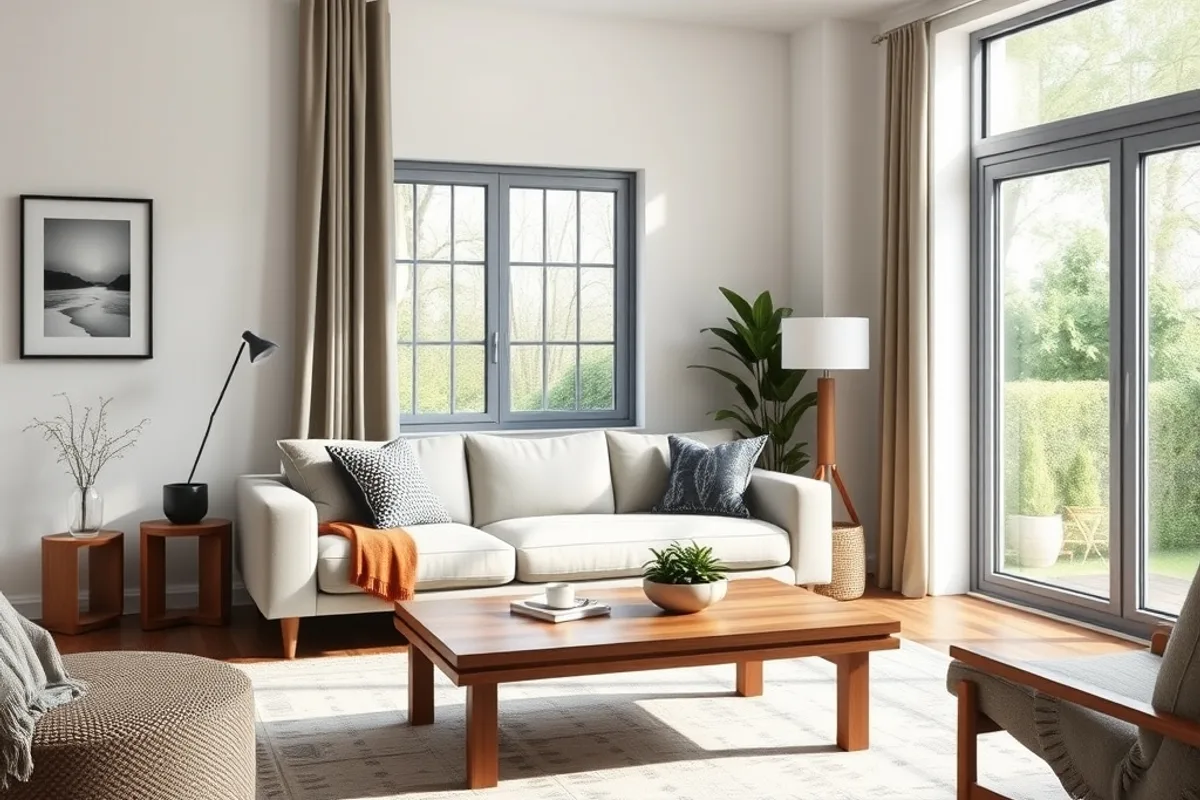
Living room: dimmable ambient fixture, floor lamp, table lamp and one accent. Bedroom: soft ambient, two bedside reading lights and a low-level night light. Kitchen: ceiling ambient, under-cabinet task and pendant light over the island.
Bathroom: mirror lights on both sides, a ceiling fixture and a low night light. Hallway: wall lights or a pendant with a warm bulb. Start with the room you use most and add layers over time. Our living room layout guide shows where the lamps should sit.